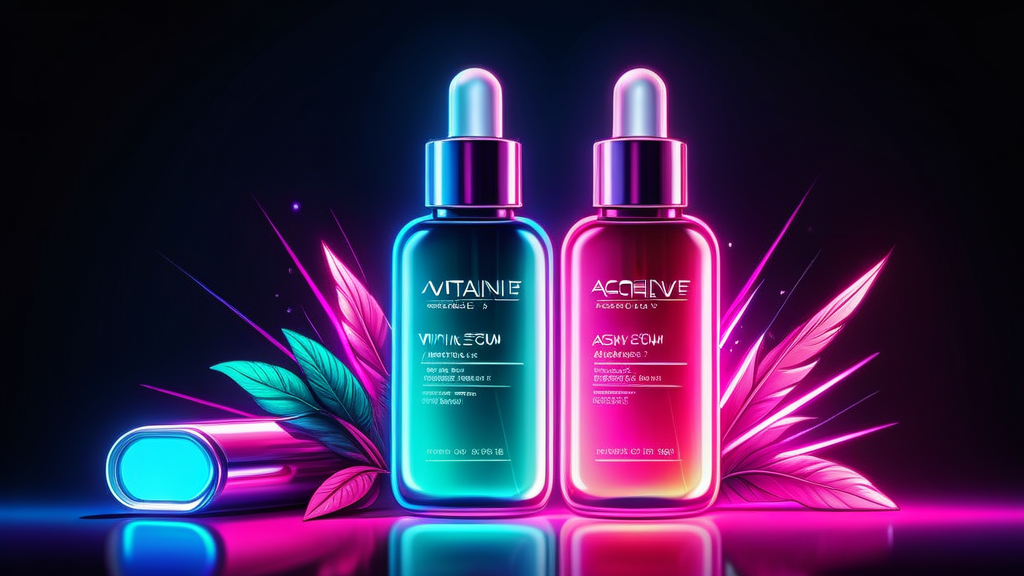
| Beauty
✨ Let’s get into it ✨
💡 TLDR
Vitamin D serums aren’t magic, but they can help with skin health by fighting inflammation and boosting the barrier. Most people are still deficient, so they might be worth adding to your routine.
Okay so like, you’ve probably heard about vitamin D serums being the holy grail for glowing skin—but are they actually worth the hype? Spoiler: It’s not a magic potion, but they might still be a solid addition to your routine. Let’s cut through the hype and get real about what these products actually do (and don’t).
First, the basics: Vitamin D is a total skin MVP. It helps regulate inflammation, keep your skin barrier strong, and even support cell renewal. But here’s the catch—most people are deficient. A 2022 study found nearly 41% of Americans aren’t getting enough, thanks to factors like skin tone (darker skin makes less vitamin D), age, and where you live. So even if you’re slathering on SPF and eating salmon, you might still be low. And that’s where the confusion kicks in: Should you be using a serum to fix it?
Here’s the thing: Prescription vitamin D creams (like calcipotriene) are approved for psoriasis and eczema because they directly boost vitamin D levels. But OTC serums? They usually contain cholecalciferol (vitamin D3) or its precursor, which is way less potent. The catch? The D3 has to penetrate your skin’s outer layer and get converted into its active form—which isn’t guaranteed. “It’s like trying to get a message through a wall,” says Dr. Nelson. “You need the right setup.” Plus, these products don’t actually raise your blood vitamin D levels, which is what matters for overall health.
That said, some serums do have perks. They often pair vitamin D with other skin-love ingredients like hyaluronic acid, retinol, or squalane, which can help with hydration, texture, and that “lit” glow. But don’t expect them to replace supplements. If you’re deficient, you need to get D through sun (with SPF), food, or a pill. “These products are like a little extra love for your skin, not a fix-all,” says Dr. Akintilo.
💫 Just don’t bank on them to fix your skin’s biggest issues.
So here’s the lowdown: Vitamin D serums might not be the cure for deficiency, but they could still be a nice addition to your routine if you’re already in the clear. Just don’t bank on them to fix your skin’s biggest issues.
Key points: – Vitamin D serums might not boost your blood levels but can support skin texture and hydration when paired with other actives. – OTC products use weaker forms of vitamin D compared to prescription-strength versions. – Sun exposure is still crucial for vitamin D synthesis, even if you’re using a serum.
So, would you rather reach for a serum or a supplement? 💫
❓ People Also Ask
Can vitamin D serum really improve skin health?
Vitamin D supports skin barrier and cell renewal, but it’s not a magic fix. It’s more effective when combined with a balanced diet and sun protection.
Is vitamin D deficiency linked to skin issues?
Yes, deficiency can cause dryness and inflammation. Sunlight and diet help, but supplements may be needed for those with low levels.
💬 What do you think? Let us know in the comments! 👇