✨ Let’s get into it ✨
⏱ 2 min read
💡 TLDR
Madonna just dropped seven VMA wins and a total aesthetic pivot to prove that being a shapeshifter beats having a curated brand. While everyone else is playing it safe for the algorithm, Madge is out here using chaos as a power move.
Madonna showing up to the VMAs in leather and fishnets is the exact kind of chaos we need right now. While everyone else is busy trying to maintain a perfectly curated aesthetic, Madge just reminded us that she’s been playing the shapeshifting game since her iconic 1984 wedding dress debut. With the release of Confessions II, her 15th studio album, she isn’t just making music; she’s raiding the closets of her past selves to create something entirely new. This isn’t some half-baked sequel, either—the album showed up at the VMAs with 13 nominations and walked away with seven wins.
The Art Of Changing Everything
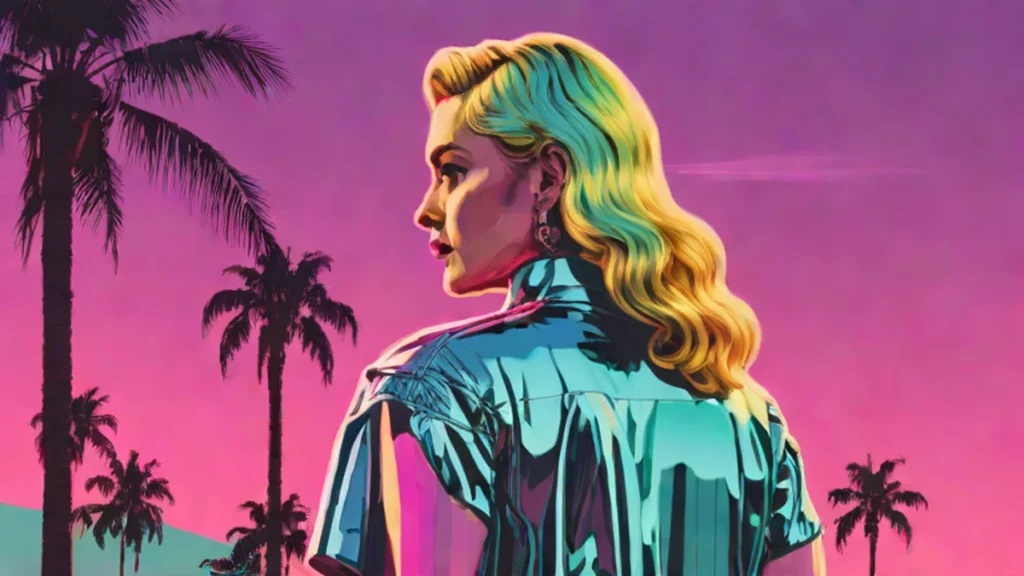
The vibe for this era is a total pivot from the disco glamour of 2005. Instead of Farrah Fawcett curls, Confessions II brings us soft pinks, purples, satin, and lace—a more overtly feminine, boudoir energy. It’s polished but feels less “done,” focusing on luminous skin rather than a heavy mask. For Madonna, these visual shifts are tactical tools used to deliver a message. Whether she was channeling the severe sexuality of Erotica or the ethereal earth mother vibes of Ray of Light, every look served a purpose. Madonna has treated beauty as a language rather than a superficial endpoint.
💫 Madonna has treated beauty as a language rather than a superficial endpoint.
This level of transformation hits differently when you compare it to how stars operate in the age of social media. Today, your face is basically your brand identity. Artists like Rihanna, Beyoncé, and Ariana Grande have turned their signature looks into massive business empires. When your aesthetic becomes a tutorial or a product launch, changing it too much feels risky for your bottom line. Even Taylor Swift, while constantly entering new musical eras, tends to keep certain visual anchors, like her signature blonde bangs and red lip, relatively consistent.
Beyond The Aesthetic Trends
We are currently obsessed with “archival” fashion and cycling through micro-trends like “clean girl” or “mob wife,” but there’s a difference between adopting a look and using it to say something. Madonna used her image to tackle race, religion, and injustice—like when she traded her Marilyn curls for dark curls in the “Like a Prayer” video. She wasn’t just chasing likes; she was using her appearance to challenge what was expected of her.
In an era where social media pushes us toward a standardized version of perfection to maximize engagement, Madonna’s career proves that being a total chameleon is actually a power move. Instead of settling for a single, safe aesthetic, we should be looking at how she uses style to own the conversation.
Do you think modern pop stars are too afraid to totally change their look because of their brand?
❓ People Also Ask
How does Madonna use her visual image to communicate messages?
Madonna utilizes beauty and aesthetic shifts as a tactical language rather than a superficial endpoint. She employs different visual eras to tackle complex social themes such as race, religion, and injustice. For instance, she famously traded her Marilyn Monroe-inspired curls for dark curls in the Like a Prayer music video to challenge societal expectations. By treating her appearance as a tool for communication, she transforms her style into a powerful method for owning cultural conversations.
What is the visual aesthetic of Madonna's Confessions II era?
The visual aesthetic for the Confessions II era focuses on a soft, feminine, and boudoir-inspired energy. Moving away from the disco glamour of her previous era, this new look incorporates elements like soft pinks, purples, satin, and lace. The style emphasizes luminous skin and a polished yet less manufactured feel compared to her past appearances. This shift represents a total pivot from her 2005 aesthetic, trading heavy masks and disco curls for a more delicate approach.
Why do modern pop stars often avoid drastic changes to their signature looks?
Modern pop stars often avoid drastic aesthetic changes because their visual identity is tied directly to their brand and business empires. In the age of social media, an artist's face and style function as a consistent brand identity that maximizes engagement and product launches. Changing a signature look too significantly can feel like a risk to their bottom line. For example, artists like Taylor Swift maintain certain visual anchors, such as specific hair or makeup styles, to ensure brand consistency.
How successful was Madonna's recent return to the VMAs with her new album?
Madonna's return to the VMAs was highly successful, marked by significant recognition for her 15th studio album, Confessions II. The album made a major impact at the awards ceremony, securing a total of 13 nominations. Beyond just being nominated, she achieved substantial critical acclaim by walking away with seven wins. This performance demonstrated that her strategy of constant reinvention remains a powerful tool for maintaining relevance and achieving high-level success in the music industry.
💬 What do you think? Let us know in the comments! 👇
📰 Source: Allure