| Beauty
✨ Let’s get into it ✨
⏱ 2 min read
💡 TLDR
Turns out that aggressive scrubbing is actually a hack for your lymphatic system, not just a TikTok aesthetic! It boosts circulation and helps detox, but don't go beast mode or you'll wreck your skin barrier.
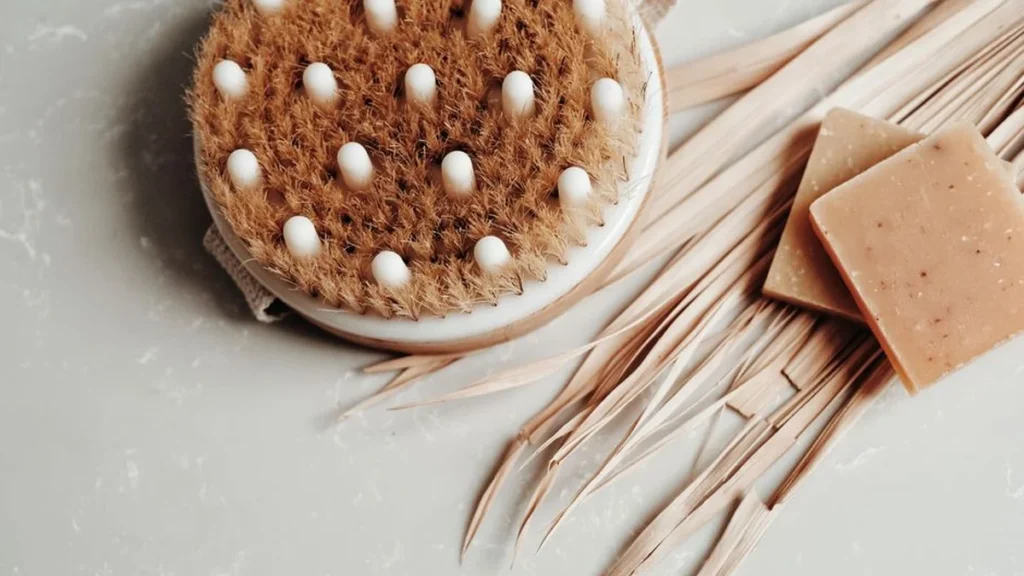
I’m literally obsessed with how many GRWM videos start with someone aggressively scrubbing their limbs, and honestly? It might actually be worth the hype. While it looks like just another wellness trend, dry brushing is a legitimate practice used in Ayurvedic medicine and traditional Chinese medicine to help move the body’s lymphatic system. By running a bristled brush over dry skin—always moving toward your torso to work against gravity—you aren’t just exfoliating; you’re essentially giving your internal systems a little nudge.
The Real Benefits Of The Bristle Life
The glowy skin everyone talks about isn’t a myth. Beyond physically sloughing off dead skin cells to fix things like strawberry skin, the process helps boost blood circulation and can even reduce puffiness from water retention. Lauren Berlingeri, co-founder of HigherDose, notes that it acts as a powerful way to exfoliate while opening detox pathways to support immunity. “The lymphatic system does not have a ‘pump’ of its own, meaning it only gets working when we start moving our body or when it is stimulated manually by dry brushing or light massage,” explains Sophie Bolvary, a licensed massage therapist at Sanara.
💫 “The lymphatic system does not have a ‘pump’ of its own, meaning it only gets working when we start moving our body or when it is stimulated manually by dry brushing or light massage,”
If you want to level up, different brushes offer different vibes. Boar-hair bristles are the go-to for daily exfoliation, but ionic-copper bristles can add antiviral properties to your routine. If you’re doing this at home, try sprinkling a citrus essential oil on the brush for an extra sensory reset in the morning. Just be prepared for a little tingling or redness right after; it’s just a sign your circulation is finally revved up.
How To Not Ruin Your Skin Barrier
Before you go full beast mode, listen to the experts so you don’t end up with micro-tears. Marisa Garshick, MD, a board-certified dermatologist at MDCS Dermatology, warns that applying too much pressure can cause irritation. It’s also a total no-go if you have sensitive, broken, or inflamed skin like eczema or psoriasis. For those with more delicate skin, Dr. Garshick suggests sticking to once or twice a week rather than making it a daily habit.
Maintenance is also key because dead skin builds up in the bristles. Bolvary recommends cleaning your brush every two weeks using warm water and tea tree oil, then letting it air-dry in a window instead of leaving it on a damp shower ledge. Remember, these tools aren’t forever—once the bristles get too soft or start shedding, it’s time for a refresh.
Are you brave enough to try the dry brushing life, or does the idea of scrubbing yourself raw sound like a nightmare?
❓ People Also Ask
What are the benefits of dry brushing?
Dry brushing provides several physical and internal benefits, including exfoliation and improved lymphatic drainage. By running a bristled brush over dry skin, you can slough off dead skin cells to treat conditions like strawberry skin while boosting blood circulation. The process also helps reduce puffiness caused by water retention and supports the body's immunity by stimulating the lymphatic system. This manual stimulation is particularly important because the lymphatic system lacks its own pump to move fluids through the body.
How should you properly use a dry brush?
To use a dry brush correctly, you should run the bristles over dry skin while always moving toward your torso to work against gravity. This specific direction helps effectively nudge your internal systems and support lymphatic movement. You may experience a slight tingling sensation or temporary redness immediately after brushing, which is a normal sign that your circulation has been revved up. For an enhanced sensory experience in the morning, you can even sprinkle a citrus essential oil onto the brush bristles.
What precautions should be taken to avoid skin irritation?
You should avoid applying excessive pressure during dry brushing to prevent causing micro-tears or irritation to your skin barrier. It is also important to avoid the practice entirely if you have sensitive, broken, or inflamed skin conditions such as eczema or psoriasis. For individuals with more delicate skin types, experts suggest limiting the practice to once or twice a week rather than making it a daily habit. Taking these precautions ensures you receive the exfoliating benefits without damaging your skin.
How do you maintain a dry brush for hygiene?
You should clean your dry brush every two weeks using warm water and tea tree oil to prevent the buildup of dead skin cells. After washing, it is best to let the brush air-dry in a window rather than leaving it on a damp shower ledge to ensure it dries properly. You also need to replace your brush once the bristles become too soft or begin to shed. Regular maintenance keeps the tool effective and prevents it from becoming a breeding ground for bacteria.
💬 What do you think? Let us know in the comments! 👇
📰 Source: Vogue