✨ Let’s get into it ✨
⏱ 2 min read
💡 TLDR
Forget everything you know about "flat" digital photos—Apple’s new tech actually reverse-engineers film to capture that dreamy, analog halation glow. High-end pros like Alex Prager are officially using iPhones to create museum-grade cinematic art.
Alex Prager was literally in the middle of a Los Angeles soundstage, dealing with fog, confetti, and buzzing neon signs, when she realized her tech wasn’t hitting the vibe. The problem? Her iPhone 18 Pro was totally flattening the scene, making that moody neon glow look fake. Enter Apple’s chief aesthetics scientist, Pamela Chen, who stepped in to save the day by using a feature she literally just invented. For the past year, Apple has been reverse-engineering film properties so we can finally capture that organic, analog soul on a digital device.
The Secret Sauce of Halation
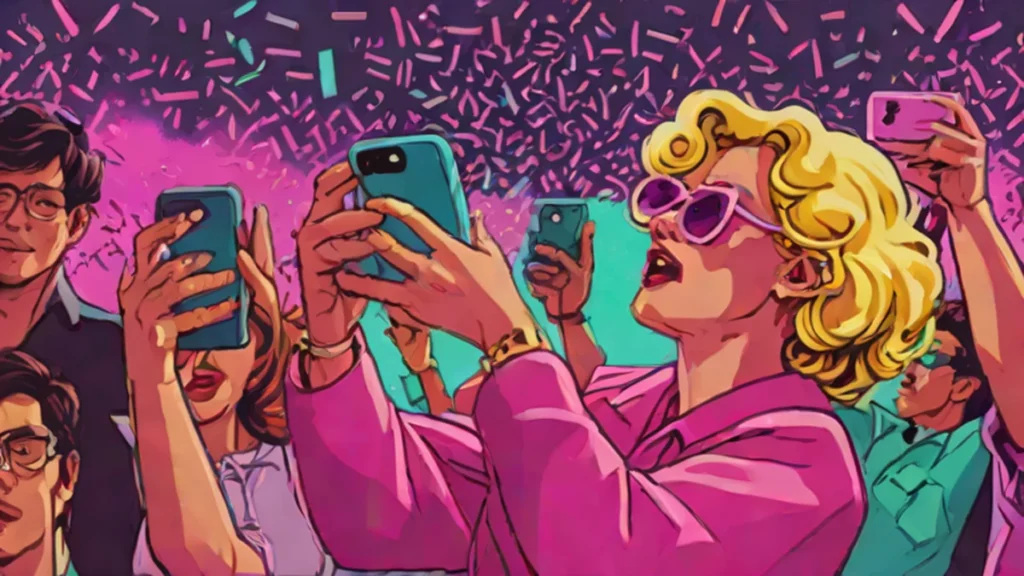
The specific fix for Prager was something called halation, which is that soft, dreamy red glow you see blooming around light sources in old snapshots. While most people only think about grain when they want a “vintage” look, Chen explained to What Holds Us that her team studied much deeper properties of photography to make digital feel organic. We went so far back in the history [of photography],” Chen said. “We studied what makes film film. This breakthrough allowed Prager to capture the exact atmosphere she needed for her contribution to Apple’s new exhibition, a massive vertical triptych showing a crowd in the poetic aftermath of a celebration.
💫 We went so far back in the history [of photography]," Chen said. "We studied what makes film film.
A New Era of Cinematic Photography
Apple didn’t just grab anyone for this showcase; they enlisted absolute heavyweights. Curated by former New York Times Magazine DP Kathy Ryan, the show features Jack Davison—who shot Zendaya for a 2022 cover—and Prager herself, an icon who photographed Cate Blanchett for her 2018 cover. They’re joined by Jimmy Chin, who captured climber Conrad Anker battling 70 mph winds in British Columbia. For Prager, using the iPhone actually changed her entire creative process because it captures a continuous stream rather than just single frames. She noted that it makes shooting feel more like directing since you can see everything in motion before making that final, decisive shot.
The “What Holds Us” exhibition is hitting New York from September 18 through 20, before heading to London and Shanghai. It’s basically proof that high-end editorial magic is now sitting right in your pocket.
Are you team “perfectly crisp digital” or do you live for that grainy, vintage film aesthetic?
❓ People Also Ask
What is halation in photography?
Halation is a photographic effect characterized by a soft, dreamy red glow that appears to bloom around light sources in images. This specific property is often found in old snapshots and analog film photography. Apple's chief aesthetics scientist, Pamela Chen, worked to reverse-engineer this film property so that digital devices like the iPhone can replicate the organic, vintage soul of traditional film. This breakthrough helps digital sensors move away from a flattened look toward a more cinematic and atmospheric aesthetic.
How does using an iPhone change the creative process for professional photographers?
Using an iPhone changes the creative process by allowing photographers to capture a continuous stream of imagery rather than just isolated single frames. This capability makes the act of shooting feel more like directing a scene because the artist can observe everything in motion before deciding on a final shot. For artist Alex Prager, this shift provided a new way to manage atmosphere and movement, helping her achieve the specific moody, neon-lit vibes required for her high-end editorial work.
Who are the featured artists in the What Holds Us exhibition?
The What Holds Us exhibition features a lineup of heavyweight photographers including Alex Prager, Jack Davison, and Jimmy Chin. Prager is an icon known for photographing Cate Blanchett, while Davison is recognized for his work shooting Zendaya for a major magazine cover. Jimmy Chin is a renowned photographer who has captured extreme environments, such as climbers battling high winds in British Columbia. The entire showcase is curated by Kathy Ryan, the former Director of Photography for the New York Times Magazine.
When and where can people view the What Holds Us exhibition?
The What Holds Us exhibition is scheduled to take place in New York from September 18 through September 20. Following its run in New York, the exhibition is set to travel internationally to major global cities. It will head to London and Shanghai to showcase how high-end editorial photography can be achieved using mobile technology. This traveling showcase serves as a demonstration of how professional-grade cinematic magic is now accessible through devices held in a person's pocket.
💬 What do you think? Let us know in the comments! 👇
📰 Source: W Magazine