✨ Let’s get into it ✨
⏱ 2 min read
💡 TLDR
Forget basic black—jewel tones like burgundy and copper actually glow under dim ballroom lights. Also, don't sleep on your outerwear, because your coat is the first thing everyone sees in those arrival photos!
The way some people show up to formal events is actually a masterclass in style. After attending three different black-tie affairs this season—including a wedding in Colombia where the fall temperatures were surprisingly chilly—I realized that being the best dressed isn’t about chasing the flashiest gown. It’s actually about playing it smart with your color palette and your layers.
Master the Art of the Layer
If you’re heading to a winter wedding or an outdoor soirée, do not sleep on your outerwear. Your coat is literally the first thing people see during check-in and in every single arrival photo, so treat it like a core part of the fit. I ended up wearing a luxe fur coat the entire night for both evenings because the temperature drop was real, even indoors. A high-end coat makes the walk from the car feel just as chic as the dress itself. Whether you are opting for a gold halter maxi with a waist tie or something more dramatic, your coat is the first thing people see at check-in and in every photo outside, so treat it like part of the outfit.
💫 your coat is the first thing people see at check-in and in every photo outside, so treat it like part of the outfit.
Color Theory for Dim Lighting
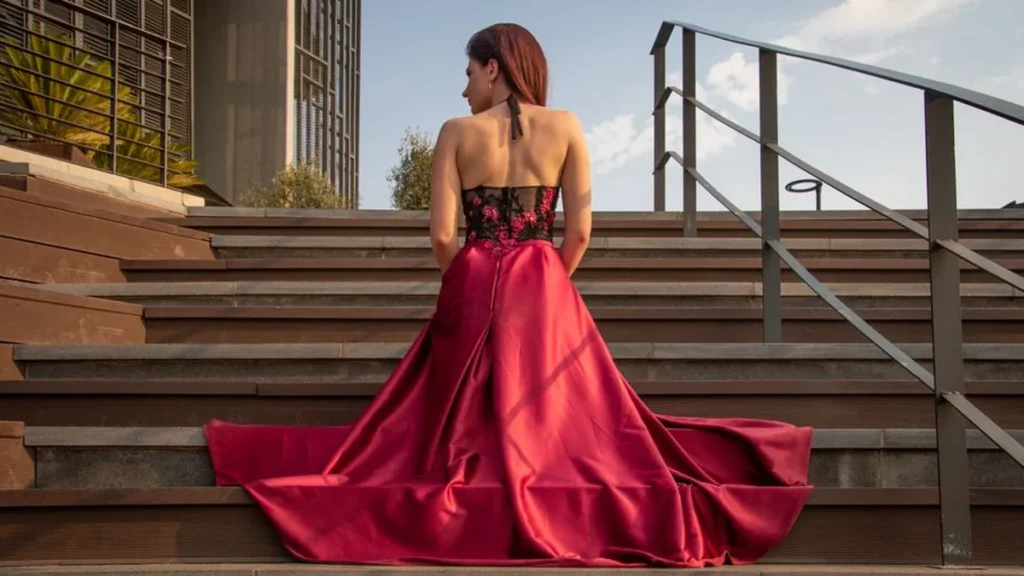
When the sun goes down and the ballroom gets dim and candlelit, certain colors just perform better than others. While everyone reaches for black because it feels safe, jewel tones like copper, bronze, and burgundy actually glow in low light. In fact, burgundy has been everywhere this season. If you want to avoid looking basic, try an unexpected shade like aubergine or oxblood, which act as darker, richer cousins to standard red. The golden rule? Pick the color that looks best at 9 p.m., not just what looks good on the hanger.
You also have to be strategic about avoiding “bridal confusion.” To keep from accidentally upstaging a bride, save your lighter shades—like champagne, pale pink, or dusty blue—for galas and charity balls instead of weddings. For those winter invites, leaning into deep textures works wonders too. Think Reformation gowns in mahogany, Staud’s gilded finishes, or even a midnight cape gown if you want something more interesting than standard black. It’s all about choosing pieces with high rewear value that can transition from a wedding to a holiday party without skipping a beat.
Are you team dark jewel tones for winter, or do you prefer sticking to classic black?
❓ People Also Ask
What colors look best for formal events in dim lighting?
Jewel tones like copper, bronze, and burgundy perform best when lighting is dim or candlelit. While black is a common choice, these richer shades tend to glow more effectively in evening ballroom settings. To avoid a basic look, you can opt for unexpected shades like aubergine or oxblood, which serve as deeper alternatives to standard red. The most important rule is to select a color that maintains its visual impact at 9 p.m. rather than just looking good on a hanger.
How can you choose the right outerwear for a black-tie wedding?
You should treat your outerwear as a core part of your entire outfit rather than an afterthought. Since your coat is the first thing people see during check-in and in arrival photos, a high-end piece like a luxe fur coat ensures you look chic from the moment you arrive. This strategy is particularly important for winter weddings or outdoor soirées where temperatures may drop unexpectedly. Selecting a quality coat makes the transition from the car to the event feel seamless and stylish.
What colors should guests avoid wearing to a wedding?
Wedding guests should avoid wearing lighter shades such as champagne, pale pink, or dusty blue to prevent accidental bridal confusion. These lighter tones can inadvertently upstage a bride, so they are better suited for different types of formal occasions like galas or charity balls. Instead, guests should lean into deeper, richer colors and textures for wedding attire. This approach helps maintain etiquette while still allowing you to present a sophisticated and polished look for the celebration.
Why is color selection important for winter formal events?
Strategic color selection is important for winter events because it allows you to navigate low lighting and seasonal themes effectively. Choosing deep textures and rich jewel tones, such as mahogany or midnight blue, works wonders during the colder months. Additionally, picking versatile colors allows you to select pieces with high rewear value. A well-chosen gown in a deep shade can easily transition from a winter wedding to a holiday party without needing a completely new wardrobe.
💬 What do you think? Let us know in the comments! 👇
📰 Source: Who What Wear