✨ Let’s get into it ✨
⏱ 2 min read
💡 TLDR
Spotify is ditching the screen and forcing fans into real life with immersive, phone-free events that actually build community. Forget scrolling through Wrapped; they’re using your listening data to turn digital hyper-fixations into core memories you can't even film.
No thoughts just the realization that our obsession with music might finally get us off our phones. We’ve spent years being “chronically online” with our favorite artists, but Spotify is officially pivoting toward making those digital connections actually tangible. Instead of just scrolling through Wrapped, fans are now getting invited to high-key immersive experiences that feel more like a core memory than a content opportunity.
The Death Of The Phone Screen
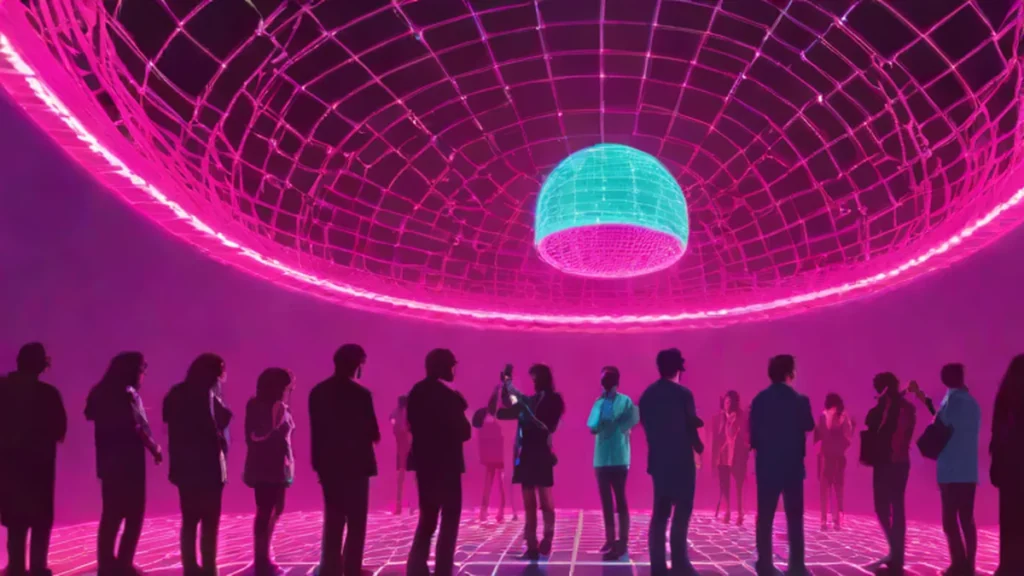
Take Phoebe Bridgers’ recent album rollout, for example. At a special planetarium event, fans had to lock their phones in magnetic pouches before they could even hear a single note. There were no shaky videos or frantic lyric searches; it was just hundreds of people staring at night skies on a dome while the music hit. The phone-free rule meant that everyone experienced the next hour together, from the first song to the last. This isn’t just some niche trend—phone-free experiences reportedly grew over 500 percent globally recently because people are tired of watching concerts through a sea of glowing screens. Spotify is leaning into this by using listening data to find the most dedicated fans and rewarding them with things like early ticket access or exclusive parties, similar to what they did for KATSEYE and Charli xcx. It turns out there is massive social inertia holding us back from meeting people in person, but interest-based events act as the perfect icebreaker. When you already know everyone in the room shares your hyper-fixation, the barrier to making real friends basically disappears.
💫 The phone-free rule meant that everyone experienced the next hour together, from the first song to the last.
Making Fandom Feel Real Again
This shift toward “fan-first” living is also being picked up by other major artists who want more than just a viral TikTok clip from their shows. From Fred again.. covering camera lenses to Harry Styles handing out disposable cameras, the vibe is moving away from digital perfection and back toward presence. While technology makes staying home easier, it also creates a hunger for moments that can’t be captured by an iPhone 15 Pro Max. By creating these physical spaces, platforms and artists are proving that the future of fandom might actually require us to log off. Are you down for phone-free concerts, or would you feel totally lost without being able to film the setlist?
❓ People Also Ask
How is Spotify turning online fandom into real life communities?
Spotify is pivoting toward immersive, tangible experiences that allow digital connections to manifest in physical spaces. The platform uses listening data to identify the most dedicated fans and rewards them with exclusive opportunities like early ticket access or private parties. By creating these interest-based environments, Spotify helps overcome social inertia, using shared musical hyper-fixations as natural icebreakers to help strangers form genuine friendships and real-world connections outside of their digital devices.
Why are phone-free concert experiences becoming more popular?
Phone-free experiences are growing because people are increasingly tired of watching live music through a sea of glowing screens. This trend has reportedly grown by over 500 percent globally as fans seek to move away from digital perfection and back toward presence. For example, during Phoebe Bridgers' recent album rollout, fans were required to lock their phones in magnetic pouches at a planetarium event. This ensures that everyone experiences the music together without the distraction of filming or social media.
What methods are artists using to encourage presence at live shows?
Major artists are implementing various strategies to move away from viral TikTok clips and toward authentic, present moments. Some musicians focus on physical limitations, such as Fred again.. covering camera lenses during performances to prevent filming. Others provide analog alternatives, like Harry Styles handing out disposable cameras to his audience. These methods encourage fans to stop viewing the concert through an iPhone lens and instead engage deeply with the live environment and the people around them.
How do immersive music events help reduce social barriers among fans?
Immersive music events act as a perfect icebreaker by bringing together individuals who already share a specific musical hyper-fixation. When attendees know that everyone in the room has a common passion, the psychological barrier to making new friends basically disappears. These physical spaces allow for much deeper social interaction than scrolling through digital content alone. By focusing on shared interests rather than digital engagement, these events transform isolated online listeners into active members of a real-world community.
💬 What do you think? Let us know in the comments! 👇
📰 Source: Mashable